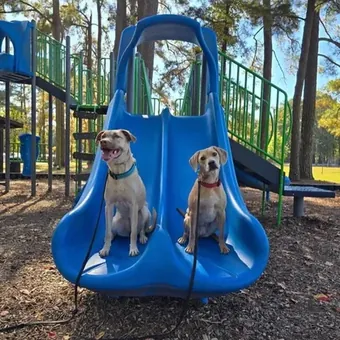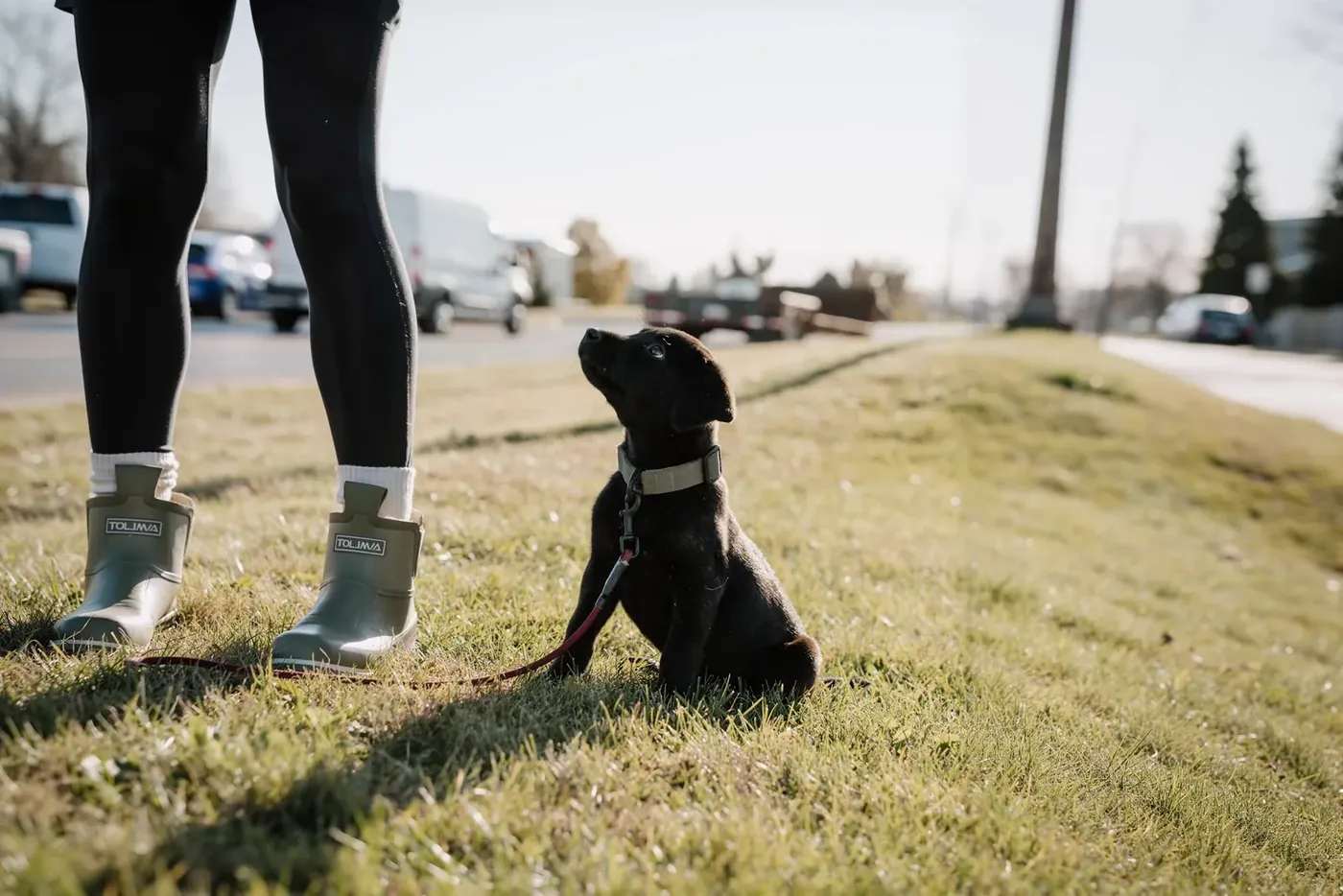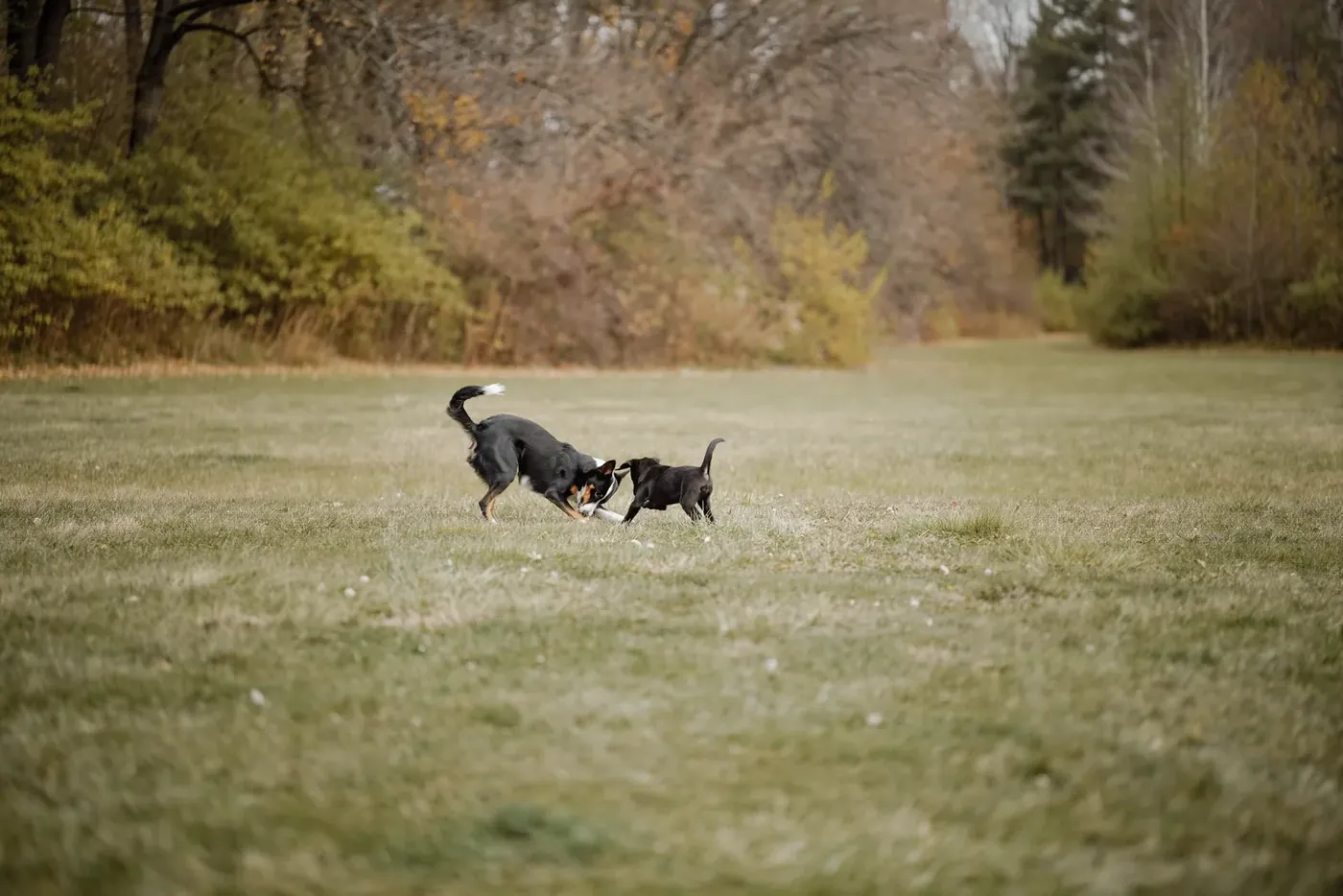
There is a stretch in a puppy's life, roughly from three weeks to sixteen, where the brain is unusually willing to file new experiences as normal. After it closes, novelty stops being automatically interesting and starts being potentially suspicious.
That window is the single most valuable training asset you will ever have with your dog, it lasts about three months, and most of it is gone before the puppy comes home at eight weeks.
What socialization is not
It is not meeting as many dogs and people as possible. That misunderstanding has probably created more fearful adult dogs than any other piece of well-meant advice.
A puppy passed around a circle of eight strangers at a barbecue is not learning that people are great. It is learning that it has no control over what happens to its body. Some puppies shrug that off. The soft ones file it, and at fourteen months you have a dog that backs away from house guests and nobody can think why.
Socialization is building a positive or neutral association with a new thing, at an intensity the puppy can handle. Distance and choice are the whole game.
The rule that keeps you out of trouble
Watch the puppy, not the clock.
A puppy that is loose, curious, moving toward the new thing with a wagging tail is socializing. A puppy that is frozen, tucked, panting, yawning, licking its lips, or trying to get behind your legs is not socializing. It is enduring, and every second of enduring is making the association worse, not better.
The fix is never to push through. The fix is more distance, shorter exposure, and better food.
A checklist that is actually about variety
Aim for a handful of genuinely different categories each week rather than fifty repetitions of the same park.
Surfaces: grass, gravel, metal grates, tile, wobbly board, wet ground, stairs.
Sounds: vacuum, traffic, a basketball, a door slam, thunder and fireworks recordings played quietly during dinner.
People who look different from your household: hats, beards, sunglasses, hi-vis vests, umbrellas, wheelchairs, walkers, kids moving fast. Looking at them from twenty feet while eating counts, and often works better than petting.
Handling: paws, ears, mouth, tail, collar grabs, being lifted. Do this daily, paired with food, so the vet and groomer are not the first time.
Places: a hardware store, an outdoor cafe, a vet lobby you walk into and straight back out of, a parking lot bench for ten minutes.
Dogs, carefully: one or two known, calm, vaccinated adults who tolerate puppies well. Not a free-for-all. A puppy bullied once by an adolescent at a dog park can carry that for years.
The vaccination question
Most puppies are not fully vaccinated until around sixteen weeks, which is exactly the window we are talking about. This is a real tension and your vet is the right person to tell you what is safe in your area.
What is almost always possible:
- Carry the puppy. Watching the world from your arms is full-value socialization.
- Use your own car as a viewing box in a parking lot.
- Visit the homes of friends with healthy, vaccinated dogs.
- Avoid the ground in high-traffic dog areas while using the air, the sounds and the sights of them freely.
Doing nothing until sixteen weeks is also a risk. It is just a behavioral risk instead of a medical one, and it tends to show up later and be harder to treat.
Adolescence will undo some of it
Here is the part that catches people out. You do everything right, you have a confident, friendly four-month-old, and then at around eight to eleven months the dog starts barking at things it has walked past a hundred times.
That is a normal second fear period, not a failure. The answer is the same as before: distance, good associations, no flooding, no punishment for being spooked. Dogs that were well socialized early come out of it fast. Dogs that were not often do not come out of it at all without help.
Socialization is not a box you tick before sixteen weeks. It is a habit you keep up for the first two years.
Getting it right the first time
Everything above is doable alone, and it is also easy to get subtly wrong in ways you will not notice for a year. Our puppy training program is built around this window specifically: structured exposure at the right intensity, foundations taught before the bad habits have anywhere to form, and an honest read on whether your particular puppy is confident or soft, because those two get different plans.
Find your nearest K9aholics trainer and ask what they would prioritize in your puppy's next four weeks.