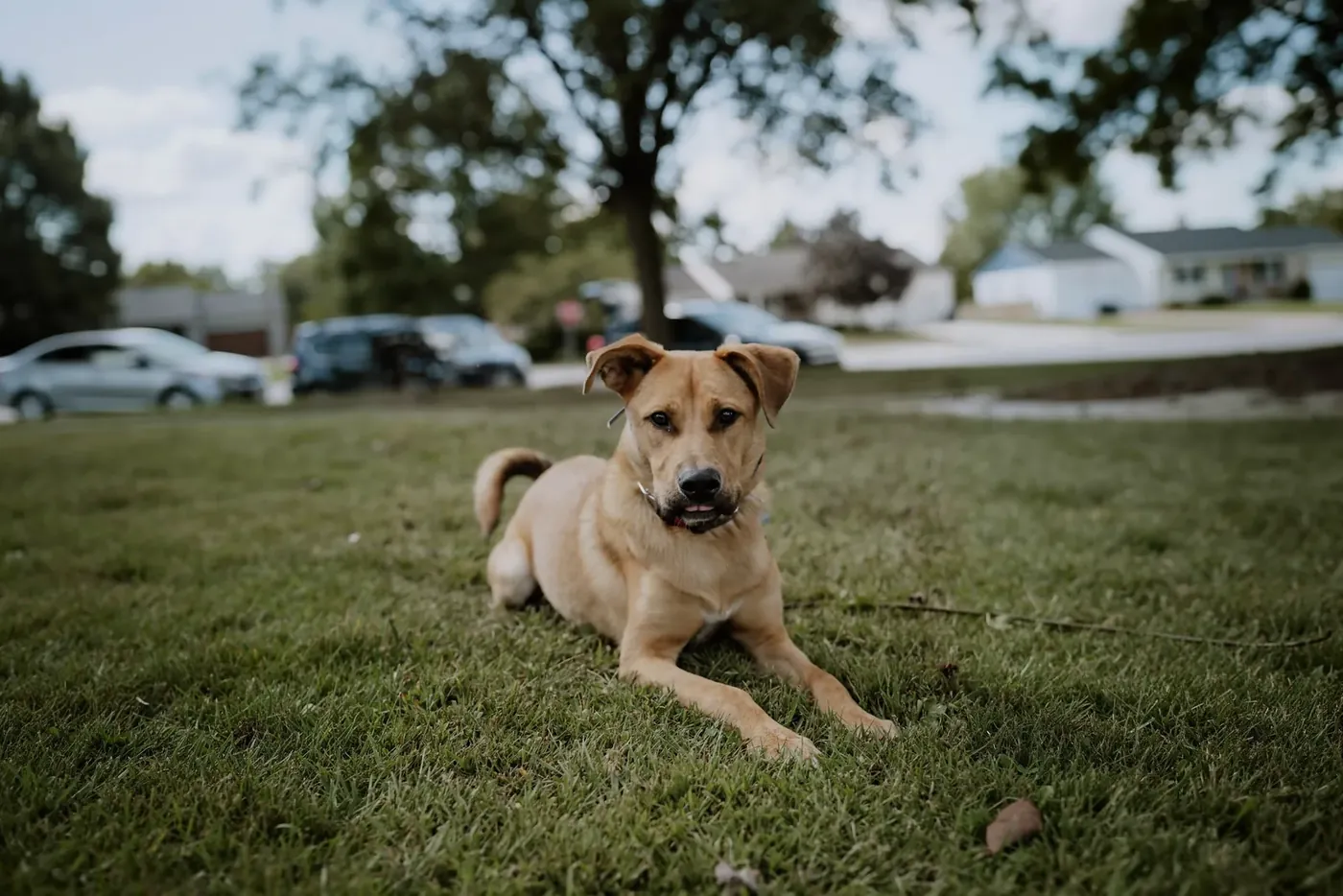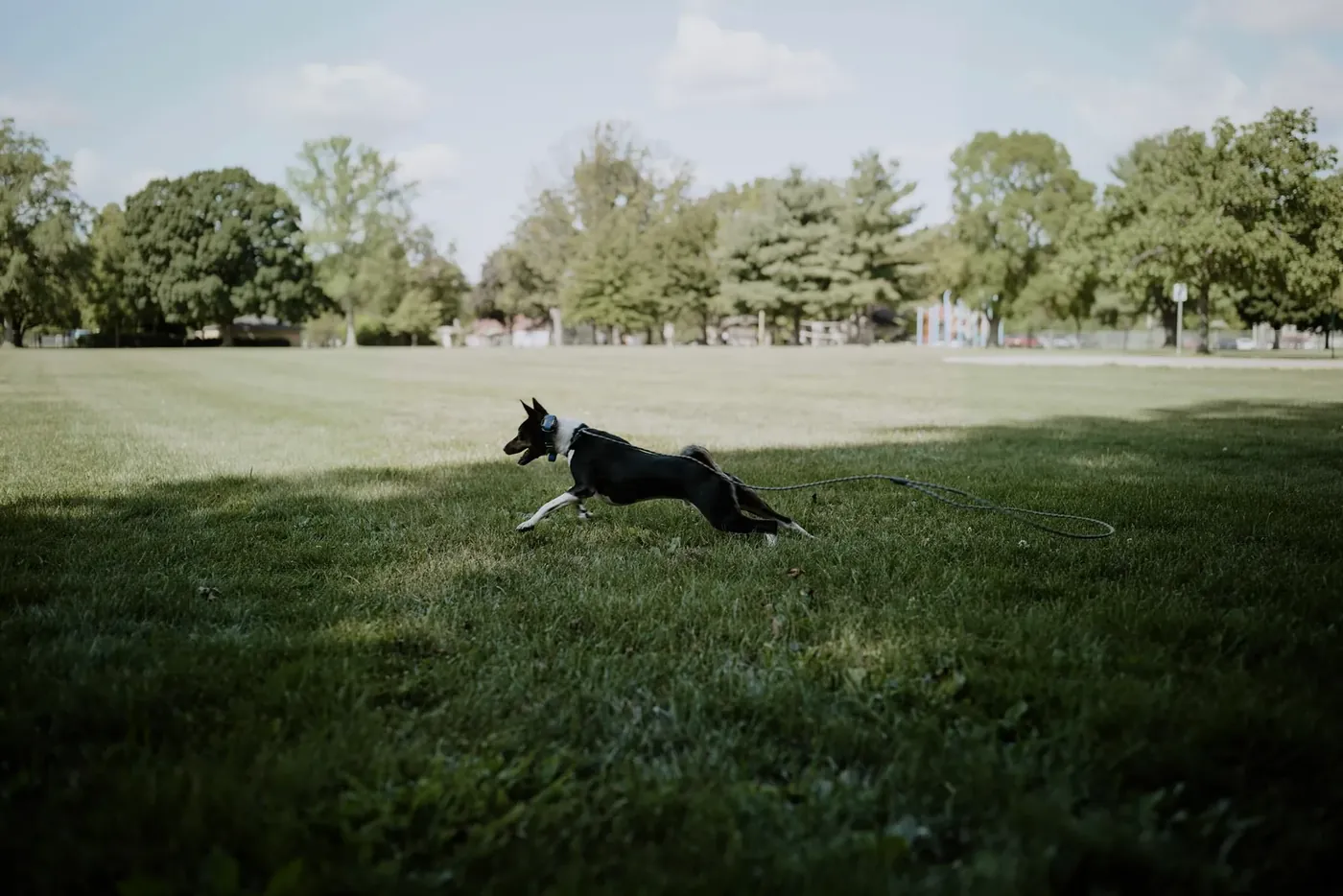
Summer is when dogs get loose. Doors propped open, gates left ajar by a landscaper, cookouts, camping, more time outside with more going on. It is also the season we get the most calls that start with "he is great at home but he will not come back."
Recall is the only command where failure has a body count. It deserves more care than it usually gets.
Why your recall is unreliable
Nearly every broken recall traces back to one of four things.
The word has been poisoned. You called the dog, and then clipped the leash on and ended the fun. Or called the dog over to get a bath, or to be told off for something it did five minutes ago. Dogs are excellent at tracking what a word predicts. If "come" means the good part is over, a smart dog stops volunteering.
It was only ever practiced when it was easy. A recall that works in the kitchen is not a recall. It is a word the dog says yes to when there is nothing better on offer.
The payoff is too small. You are competing against a deer. A piece of kibble is not a serious bid.
It gets repeated. "Come. Come! COME!" teaches the dog that the first one is optional and the real one is the angry one. Say it once.
Rebuilding it from scratch
Pick a new word. If "come" has history, use "here" or a whistle. Starting clean is much faster than rehabilitating a poisoned cue.
Then build it in this order, and do not skip ahead because a step went well once.
- Charge the word indoors. Say it, then immediately produce something excellent. Real meat. You are not asking for anything yet, you are teaching the word means a jackpot appears.
- Short distance, no distraction. Hallway. Dog comes, massive payment, then released back to whatever it was doing. That release matters: coming back cannot reliably mean the end of freedom.
- Long line outdoors. Thirty feet of line, a boring field. Call once. If the dog does not come, do not repeat it, just reel gently and pay anyway at first. You are preventing the rehearsal of ignoring the word.
- Add distraction deliberately. Another person, then a ball rolling, then a dog at a distance. Go up in difficulty one variable at a time.
- Only then, consider off leash, in a fenced or genuinely safe area, with a dog that has been near perfect on a long line for weeks.
A recall is not off leash until it holds up against the most interesting thing in your dog's world, not the most convenient one.
The heat rules
Dogs cool almost entirely by panting, which is far less efficient than sweating. Heat injury in dogs goes from "seems a bit tired" to an emergency faster than most owners expect.
- The pavement test. Back of your hand on the asphalt for seven seconds. If you cannot hold it, your dog cannot walk on it. Pavement can be forty degrees hotter than the air.
- Walk early or late. Midday walks in summer are for the owner's schedule, not the dog's benefit.
- Water before thirst. Carry it. Offer it often. A dog that is already drinking desperately is behind.
- Know the real warning signs: frantic panting that does not slow with rest, bright red or very pale gums, thick drool, wobbling, vomiting, confusion. That is a vet visit immediately, not a wait-and-see.
- Flat-faced breeds and heavy coats need a much lower threshold. Bulldogs, pugs, boxers, and double-coated northern breeds struggle in heat that other dogs handle easily.
- Never a parked car. Not with the windows cracked, not for five minutes.
- Water safety. Not every dog can swim, and even strong swimmers get into trouble in current or in a pool with no visible exit. Teach the pool steps on day one.
Training in the heat
Structured work is mentally tiring, which is the point, and mental work does not cook your dog. On a hot day, trade the long walk for fifteen minutes of place work, recall games in the shade, or scent work in the house. A dog that has had to think is more settled than a dog that has had to run.
When you want it bulletproof
Recall is one of the skills where professional reps genuinely outpace owner practice, because it needs a lot of carefully staged distractions, and setting those up is most of the work.
It is a core part of every board and train and of private obedience work, and if your dog is also running off after other dogs rather than just ignoring you, that may be a behavior question rather than an obedience one.
Find your trainer and get the recall sorted before you need it.